









![Achieve Brilliance: Strategies for Academic Success [E-book 2024]](https://digitfile.com/wp-content/uploads/2024/03/8l.webp)

![Earn Crypto: The Ultimate Guide to Online Income with Digital Currency Payments [ E-book 2024 ]](https://digitfile.com/wp-content/uploads/2024/03/7.webp)
How to Succeed Through Immigration? Migration has been a key driver of human progress, offering individuals the chance to explore new opportunities, cultures, and experiences. To ensure a successful migration journey, careful planning, adaptability, and a clear vision are essential. This article provides a structured approach to navigating migration effectively.
Why Do People Migrate?
People migrate for different reasons. Moving to a new country can provide better opportunities, security, and a fresh start. Here are some of the most common reasons why people choose to migrate:
1. Career Growth
Many people move abroad to find better job opportunities and higher salaries. Some countries offer stronger economies, more job openings, and better working conditions. Professionals may relocate to advance their careers, gain international experience, or work in industries that are not available in their home countries. Skilled workers, such as doctors, engineers, and IT professionals, often migrate to countries where their expertise is in high demand.
2. Educational Opportunities
Studying in a foreign country can open doors to better career prospects. Many students migrate to access top-ranked universities, specialized training programs, and world-class education systems. A degree from an internationally recognized institution can improve job opportunities globally. Some students also move abroad to study in a country where their desired field of study is more developed. Additionally, studying abroad provides cultural exposure, networking opportunities, and personal growth.
3. Enhanced Quality of Life
People often migrate to improve their standard of living. Some countries offer better healthcare, social security, and public services. Safety and security are also major reasons for migration, as people may seek a more peaceful environment for themselves and their families. In addition, many migrants look for better infrastructure, cleaner environments, and access to modern amenities that enhance daily life.
4. Family and Social Ties
Family reunification is one of the most common reasons for migration. Many people move to be closer to their loved ones, including spouses, children, or parents. Some countries have policies that allow family members to sponsor relatives for immigration. Apart from family, people may also move to join friends or communities that share their cultural background, making the transition to a new country easier.
5. Personal Development and Adventure
For some, migration is an opportunity to explore new cultures, meet new people, and experience different ways of life. Living in a foreign country can help individuals develop independence, adaptability, and resilience. It allows them to gain a new perspective on the world, learn new languages, and grow both personally and professionally. Some people also migrate for the excitement of discovering new places and embracing change.
Essential Steps for a Successful Migration
1. Conduct Thorough Research
Before migrating, it is crucial to understand:
- Visa policies and immigration procedures.
- Economic conditions and job prospects.
- Cost of living and housing availability.
- Cultural differences and language requirements.
2. Define Clear Objectives
Set specific goals for your migration:
- Are you aiming for professional advancement?
- Do you want to attain a particular educational credential?
- Are lifestyle improvements a priority for you?
3. Financial Readiness
- Save funds to cover initial expenses, including travel and accommodation.
- Research scholarships, grants, or employer relocation packages where applicable.
4. Skill Enhancement
- Learn the local language to boost employability and social integration.
- Obtain relevant certifications to align with local job market demands.
Overcoming Migration Challenges
1. Adapting to a New Culture
- Respect and understand local traditions and customs.
- Build a support network within migrant communities and locals.
2. Securing Employment
- Adapt your resume to align with local hiring standards.
- Utilize networking platforms and job portals for better opportunities.
- Consider temporary roles as a stepping stone to long-term employment.
3. Navigating Legal and Bureaucratic Hurdles
- Stay updated on visa renewals and legal obligations.
- Seek professional guidance if necessary to avoid immigration issues.
Strategies for Long-Term Success
- Lifelong Learning: Keep up with industry developments and acquire new skills.
- Financial Stability: Manage finances wisely and build long-term savings.
- Active Community Involvement: Engage in cultural and volunteer activities to integrate better.
- Adaptability: Be open to change and new experiences.
Additional Resources for Successful Migration
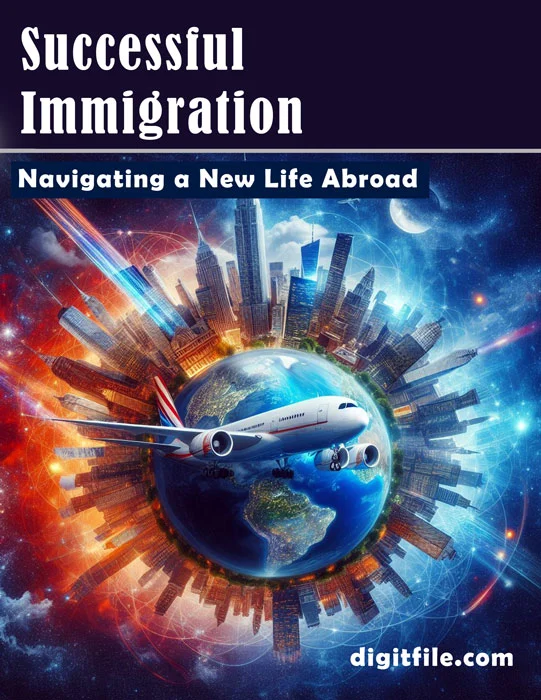
For those looking for more in-depth guidance, Successful Immigration: Navigating a New Life Abroad offers a comprehensive exploration of migration strategies, success stories, and expert insights. This book serves as a valuable resource for anyone planning to migrate and achieve lasting success.
“Successful Immigration: Navigating a New Life Abroad (2024)” is a comprehensive guide for anyone looking to start a new life in a foreign country. This ebook covers essential topics such as adapting to a new culture, finding job opportunities, managing finances, and overcoming common challenges immigrants face. Whether you’re moving for work, study, or a better future, this book provides practical advice and insights to help you transition smoothly and build a successful life abroad.
Useful Links for Immigrants
If you are planning to migrate, here are some useful resources to help you navigate the process:
- Visa and Immigration Information: Check official government websites like USCIS for U.S. immigration details or Canada Immigration for moving to Canada.
- Job Search and Career Growth: Explore job opportunities abroad on platforms like LinkedIn Jobs and Indeed.
- Education and Scholarships: Find international study programs at Studyportals or check university rankings on QS Top Universities.
- Language Learning: Improve your language skills with Duolingo or take professional courses on Coursera.
- Cost of Living and Financial Planning: Compare living expenses worldwide on Numbeo and use XE Currency Converter to check exchange rates.
These resources can help make your immigration journey smoother and more successful.