






![Achieve Brilliance: Strategies for Academic Success [E-book 2024]](https://digitfile.com/wp-content/uploads/2024/03/8l.webp)


To maximize your income in the arts and entertainment industry, it’s essential to combine creativity with smart business strategies. By diversifying your income streams—such as offering digital content, teaching, and collaborating on commercial projects—you can tap into various markets. Leveraging social media, SEO, and personal branding helps increase visibility, while networking within the industry can open doors to lucrative opportunities. Staying adaptable to trends and continuously developing your skills ensures long-term success in this competitive field.
The arts and entertainment industry is a dynamic field with countless opportunities for creative professionals. However, turning artistic talent into a sustainable source of income can be challenging. In this article, we’ll explore strategies to maximize your earnings in this competitive space by focusing on diversification, marketing, networking, and constant skill development. Whether you’re an artist, musician, actor, or content creator, these tips will help you build a more profitable career.
Maximize Your Income in the Arts and Entertainment Industry?
1. Diversify Your Income Streams
One of the most effective ways to increase your income in the arts and entertainment industry is by diversifying your revenue sources. Instead of relying on a single stream of income, explore various avenues where your skills can generate revenue. Here are some ways to diversify:
- Freelancing and Commissioned Work: Offer your skills to clients in need of custom artwork, music, performances, or creative services.
- Teaching and Workshops: If you have expertise in a particular area, consider teaching others. Online platforms, local workshops, and even one-on-one mentoring can be a lucrative addition to your income.
- Merchandising: For artists and performers, selling branded merchandise or prints of your work can bring in additional revenue.
- Digital Products: Creating digital content, such as online courses, e-books, or stock footage, allows you to earn passive income over time.
- Collaborations and Sponsorships: Partnering with brands or other artists can result in paid collaborations, sponsorship deals, or joint projects that increase your exposure and earnings.
By exploring multiple avenues, you reduce the risk of income instability and increase your chances of long-term success.
2. Leverage Social Media and SEO
Having a strong online presence is crucial for maximizing your income in today’s digital world. Social media platforms and search engines are powerful tools for getting your work noticed by a wider audience.
- Create a Professional Website: A well-designed website optimized for search engines (SEO) should serve as your portfolio and a hub for potential clients and fans. Make sure your website is easy to navigate, mobile-friendly, and updated with your latest projects. Incorporate relevant keywords into your website content to improve its searchability.
- Build Your Social Media Presence: Platforms like Instagram, YouTube, TikTok, and Twitter are ideal for showcasing your work and interacting with your audience. Post regularly, engage with your followers, and collaborate with influencers to grow your presence. Consistency and authenticity in content creation will help you build a loyal fan base.
- Content Optimization: If you’re creating online content (videos, blogs, artwork), use SEO techniques to improve your visibility. For instance, optimizing video titles, descriptions, and tags on YouTube can help your content rank higher in search results. Use relevant keywords related to your art form, industry trends, and target audience.
3. Develop a Personal Brand
Your personal brand is how you distinguish yourself from others in the industry. A strong personal brand can open up new opportunities, including sponsorships, partnerships, and increased recognition.
- Define Your Unique Selling Proposition (USP): What makes you unique? Whether it’s a specific art style, personality, or message, find your niche and emphasize it across all platforms. Your USP will help attract a targeted audience and increase your chances of standing out in a crowded market.
- Consistency Across Platforms: Ensure that your branding—logo, colors, tone, and messaging—remains consistent across all your online platforms, from your website to your social media accounts.
- Tell Your Story: Audiences connect with personal stories. Share your journey, challenges, and successes to create a deeper emotional connection with your followers. Authenticity helps build trust and loyalty, both of which are crucial for long-term success.
4. Network Within the Industry
Building a solid network of connections is vital in the arts and entertainment industry. Whether through online networking or attending in-person events, connections can lead to collaborations, job offers, and creative partnerships.
- Join Professional Organizations: Becoming a member of professional associations or guilds related to your art form can provide networking opportunities, resources, and industry insights.
- Attend Industry Events: Participating in workshops, conferences, and exhibitions is a great way to meet like-minded professionals. These events often lead to valuable connections that can turn into future projects or collaborations.
- Collaborate with Others: Don’t be afraid to collaborate with other creatives, whether they’re in the same field or a different discipline. Cross-industry collaborations can lead to innovative projects and help you tap into new audiences.
5. Stay Updated with Industry Trends
The arts and entertainment industry is constantly evolving, and staying updated on the latest trends is essential for staying relevant.
- Embrace Technology: Technologies like virtual reality (VR), artificial intelligence (AI), and blockchain are transforming how art is created, distributed, and consumed. Explore these tools to find new ways to enhance your work and reach broader audiences.
- Stay Educated: Continuous learning is essential to maintaining a competitive edge. Take online courses, attend workshops, and read industry publications to stay informed about new techniques, tools, and business strategies.
- Adapt to Audience Preferences: Keeping an eye on your audience’s changing tastes and preferences will help you stay relevant. For instance, if video content is trending, consider creating more video-based art or performances.
6. Protect Your Work
As a creative professional, protecting your intellectual property is essential to safeguarding your income.
- Copyright and Trademarks: Make sure to copyright your work and consider trademarking your brand name or logo. This will protect you from unauthorized use of your creations.
- Contracts and Agreements: Whenever you’re engaging in collaborations or commissioned work, always have a written contract that outlines payment terms, deliverables, and ownership rights. This will ensure that both parties are clear about their responsibilities and help avoid disputes.
7. Invest in Your Skillset
Finally, continuously improving your skills will help you stay competitive and relevant in the industry. Invest time and resources in mastering your craft, whether it’s through formal education or self-guided learning.
- Specialize in a Niche: While it’s important to be versatile, specializing in a particular niche can also set you apart from the competition. Find an area of the arts or entertainment that excites you and become an expert in it.
- Seek Feedback and Mentorship: Actively seek out constructive feedback from peers, mentors, or your audience. Learning from others can provide fresh perspectives and ideas that can improve your work.
Maximizing your income in the arts and entertainment industry requires a combination of creativity, business savvy, and continuous growth. By diversifying your income streams, leveraging digital marketing and SEO, building a personal brand, networking, staying current with trends, and protecting your work, you can create a sustainable and lucrative career. Embrace the challenges, stay persistent, and keep pushing the boundaries of your craft to succeed in this ever-changing industry.
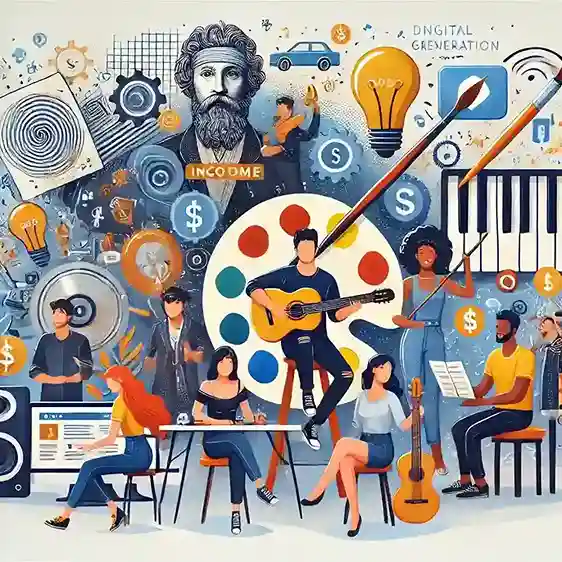
Income Sources in the Arts and Entertainment Industry
1. Performing Arts
- Theatre: Actors, directors, and crew members earn salaries or fees for their work in plays, musicals, and other live performances. Earnings can range from minimal (especially in community or small theaters) to substantial (in Broadway productions or major theaters).
- Dance: Dancers and choreographers earn income through performances, teaching, and choreographing for various productions.
- Music: Musicians and singers can earn money through live performances, recording contracts, streaming royalties, merchandise sales, and teaching music lessons.
2. Visual Arts
- Painting and Sculpture: Artists can sell their works through galleries, online platforms, or direct commissions. Income may also come from grants, residencies, and teaching.
- Photography: Photographers earn income from selling prints, doing commissioned work, and licensing their photos for use in media and advertising.
3. Film and Television
- Actors: Earnings can vary greatly from small stipends in independent films to substantial salaries in major studio productions.
- Directors and Producers: Income comes from salaries, profit-sharing, and residuals from successful films and TV shows.
- Crew Members: Technicians, writers, and other behind-the-scenes professionals earn salaries or hourly wages.
4. Literary Arts
- Authors: Income from book sales, royalties, advances from publishers, and speaking engagements.
- Journalists and Writers: Salaries from media outlets, freelance writing fees, and payments for articles and stories.
5. Digital Arts
- Content Creators: YouTubers, podcasters, and streamers earn through ad revenue, sponsorships, merchandise, and fan donations.
- Graphic Designers and Animators: Income from freelance work, full-time employment, and commissions.
6. Crafts and Artisanal Work
- Craftspeople: Income from selling handmade goods at markets, online platforms, and through direct commissions.
Key Factors Affecting Income:
- Experience and Reputation: More established artists and entertainers typically command higher fees and salaries.
- Geographic Location: Major cities and cultural hubs often offer more opportunities and higher pay.
- Market Demand: Trends and public interest can significantly impact income.
- Supplementary Income: Many artists and entertainers supplement their income with teaching, workshops, or related side jobs.
Experience and Reputation
In the arts and entertainment industry, experience plays a crucial role in determining income levels. Established professionals with a solid portfolio or a recognized name in their field often command higher fees, whether for live performances, commissioned artwork, or freelance projects. Reputation is built through consistent quality work, networking, and the visibility of one’s work across various platforms.
- Artists and performers who have built a following or garnered critical acclaim often have access to higher-paying gigs, exclusive commissions, or lucrative contracts.
- Awards, accolades, and media coverage also contribute to increasing an artist’s market value, leading to better-paying opportunities.
Geographic Location
Location can significantly impact the income potential for artists and entertainers. Major cities like New York, Los Angeles, London, and Paris—cultural hubs with thriving art and entertainment scenes—offer more job opportunities, higher wages, and greater exposure to an international audience. However, these cities also come with higher costs of living, which can offset higher pay to some extent.
- Smaller cities and towns, while offering fewer opportunities, may provide niche markets for certain types of artists, allowing them to build a strong local fan base with less competition.
- Global expansion through online platforms now enables artists to reach audiences and clients worldwide, allowing them to transcend geographic limitations.
Market Demand and Industry Trends
Income in the arts and entertainment industry is often influenced by public demand and market trends. Artists who align their work with current cultural interests or technological advancements can find greater success.
- Performers and musicians who adapt to trending genres or collaborate with popular creators may experience higher income potential.
- Digital artists, graphic designers, and animators benefit from the growing demand for digital content in areas like gaming, advertising, and social media.
- NFTs (non-fungible tokens) have recently opened a new avenue for visual artists, allowing them to monetize their work through blockchain technology.
Diversification of Income Streams
Given the variability in income within the arts and entertainment industry, many professionals pursue multiple revenue streams to create a more stable financial foundation. This might include:
- Teaching and workshops: Many experienced artists, performers, and writers supplement their income by teaching classes, hosting workshops, or offering private lessons.
- Merchandise and products: Musicians and visual artists often sell merchandise, such as prints, clothing, and other products featuring their artwork.
- Crowdfunding and donations: Platforms like Patreon and Kickstarter enable creators to receive support directly from fans, providing another layer of income.
- Grants and residencies: Many artists apply for grants or participate in residencies, which offer financial support and resources while allowing them to focus on their creative work.
Freelance and Contract Work
Many professionals in the arts and entertainment industry work on a freelance or contract basis. This can provide flexibility and the opportunity to take on diverse projects, but it can also result in irregular income. Building a strong client base, maintaining an online presence, and consistently delivering high-quality work are key to sustaining a freelance career.
- Actors, musicians, and crew members often work on short-term contracts for specific productions, films, or events, making consistent networking and self-promotion crucial to securing new opportunities.
- Writers and journalists may take on freelance assignments from various media outlets, allowing them to work independently while expanding their portfolio.
Supplementary Income
Given the unpredictability of earnings in this field, many professionals take on supplementary jobs or side gigs to maintain a stable income. This might include working part-time in a related field, such as sound engineering for musicians or production design for visual artists. Supplementary roles can also offer a chance to develop additional skills that enhance overall career prospects.
In conclusion, maximizing income in the arts and entertainment industry requires a combination of creativity, business acumen, and adaptability. By diversifying income streams, staying updated with industry trends, and continuously building skills and networks, artists and entertainers can increase their financial stability and open up new opportunities for growth.
Leveraging Digital Platforms for Income Growth
In today’s digital age, the internet has transformed how artists and entertainers make money, providing new avenues for income generation that were previously inaccessible. By effectively utilizing online platforms, creative professionals can reach global audiences, build a loyal fan base, and develop sustainable income streams.
- Online Marketplaces: Platforms like Etsy, Redbubble, and Society6 allow artists to sell their creations (from original paintings to printed merchandise) directly to consumers. By listing their work on these platforms, visual artists can tap into a global market.
- Streaming Services: Musicians and filmmakers can use platforms like Spotify, Apple Music, YouTube, and Netflix to distribute their work. Streaming royalties and ad revenue from platforms like YouTube can provide passive income streams, while regular content creation boosts audience engagement.
- E-learning and Digital Courses: Many artists and performers have found success in sharing their expertise through platforms like Udemy, Skillshare, and Teachable, offering courses on music, painting, filmmaking, and more. Teaching online can be a highly lucrative way to share knowledge while earning money.
Sponsorships, Brand Collaborations, and Partnerships
As artists and entertainers build their personal brands, opportunities for collaborations with companies and sponsors naturally arise. Sponsored content, brand ambassadorships, and product endorsements are common ways for creators to generate additional revenue.
- Social Media Influencer Opportunities: Musicians, actors, and other artists with large social media followings are often approached by brands to create sponsored posts or promote products. These collaborations can range from product placements in videos to full-blown partnerships where the artist becomes the face of a campaign.
- Corporate Commissions: Visual artists, musicians, and performers often receive commissions from companies for specific projects, such as creating artworks for a corporate space, producing music for a brand advertisement, or performing at a company event.
Monetizing Content Creation and Membership Platforms
Content creators on platforms like YouTube, Instagram, TikTok, and Twitch can monetize their presence through ads, brand deals, and fan donations. In recent years, membership platforms like Patreon have become increasingly popular, allowing creators to offer exclusive content to paying members.
- Patreon: Artists, musicians, podcasters, and other creators use Patreon to offer fans special content in exchange for monthly subscriptions. These can include behind-the-scenes videos, early access to new works, and exclusive live events.
- Twitch and YouTube Streaming: For musicians, gamers, or performers, live streaming has become a lucrative source of income. Fans can donate during live streams, while platforms like Twitch offer additional revenue through ads, sponsorships, and subscriptions.
Licensing and Royalties
Licensing your creative work for use in other media can provide an additional revenue stream, particularly for musicians, filmmakers, and visual artists. When your work is licensed, you receive payment (royalties) every time it is used.
- Music Licensing: Musicians can license their songs for use in films, TV shows, advertisements, or video games. This is a key way to earn passive income, as a successful licensing deal can lead to steady royalties over time.
- Visual Art and Photography Licensing: Artists and photographers can license their works to be used on products, in media, or as stock images. Websites like Shutterstock, Getty Images, and Adobe Stock allow creators to sell their work for use in advertising, websites, or marketing materials.
- Film and TV Royalties: Actors, writers, and directors can earn residual income from the continued airing of TV shows or movies they’ve worked on. This form of royalty ensures that creators continue to be compensated for their work long after the initial production.
Crowdfunding and Pre-Sales
Crowdfunding has revolutionized how artists and entertainers can finance projects, often eliminating the need for traditional financial backers. Platforms like Kickstarter, Indiegogo, and GoFundMe allow creators to raise money from fans and supporters before launching a new work or project.
- Project-Based Crowdfunding: Musicians can fund albums, filmmakers can finance new movies, and artists can raise money for exhibitions through fan donations. In exchange, creators often offer exclusive rewards like signed copies, limited-edition items, or behind-the-scenes access to the creation process.
- Pre-sales: Offering products (such as art, music, or performances) for pre-sale before they are completed can generate initial funding and create early demand. This model works particularly well for artists with an established fan base who are eager to support new work.
Investing in Long-Term Projects and Passive Income

Many artists and entertainers look for ways to create passive income—money that flows in with minimal ongoing effort. This approach allows them to focus on their creative work while generating consistent revenue.
- Content Libraries: Musicians, writers, and film makers can create libraries of work that continue to generate revenue over time through royalties and licensing. For example, musicians who upload their entire discography to streaming services earn ongoing royalties, and authors can continue earning from book sales long after the initial publication.
- Digital Products: Visual artists can create digital downloads (such as templates, tutorials, or stock images) and sell them repeatedly without having to invest time in creating new content for each sale.
Maximizing income in the arts and entertainment industry requires a multifaceted approach. By diversifying income streams, utilizing digital platforms, pursuing sponsorships and collaborations, and continually honing their craft, creative professionals can build sustainable careers. Success in this industry is not solely dependent on talent; it also requires strategic business decisions, adaptability, and perseverance. As the industry continues to evolve, artists and entertainers who embrace new technologies, market demands, and income opportunities will be well-positioned to thrive.
Conclusion: Take Control of Your Creative Career
To maximize income in the arts and entertainment industry, it’s essential to combine creativity with strategy. By understanding your audience, using digital platforms, diversifying your income sources, and treating your art as a business, you can build a sustainable and rewarding career. Success doesn’t happen overnight, but with the right mindset and consistent effort, artists and entertainers can thrive—both creatively and financially. The opportunities are out there. It’s time to take the lead.